
Core projects
The NNAI Livescu Initiative has a multi-year program designed to support and enhance academic development, engagement and social impact.
Material intelligence as historical problem
We collaborate with Danielle Carr (UCLA) on The Material Intelligence as Historical Problem (MIHP) inquiry, which comprises a series of colloquia, training workshops, and interdisciplinary working groups, aiming to generate new approaches to the question of how material (whether biological or inorganic) entities are correlated to, or productive of, the concept-entity of intelligence and how it might be understood historically, as well as technically or biologically.
ai before ai
We collaborate with Peter Stacey (UCLA) on The AI before AI inquiry, which delves into the development of essential social skills that allows humans to engage meaningfully and effectively in today’s complex social landscape. It covers major human milestones we experienced as a society that are now vital to navigate interactions with individuals, communities, businesses, and governments, as well as the emerging relationship with artificial intelligence. From empathy and communication skills to ethical reasoning and digital literacy, the goal is to understand how humans can build trust, foster collaboration, and maintain accountability. As AI becomes a more prominent part of society, these skills are vital not only for personal and professional growth but also for adapting to a world where machines play an increasing role in our social ecosystems.
the no-body problem
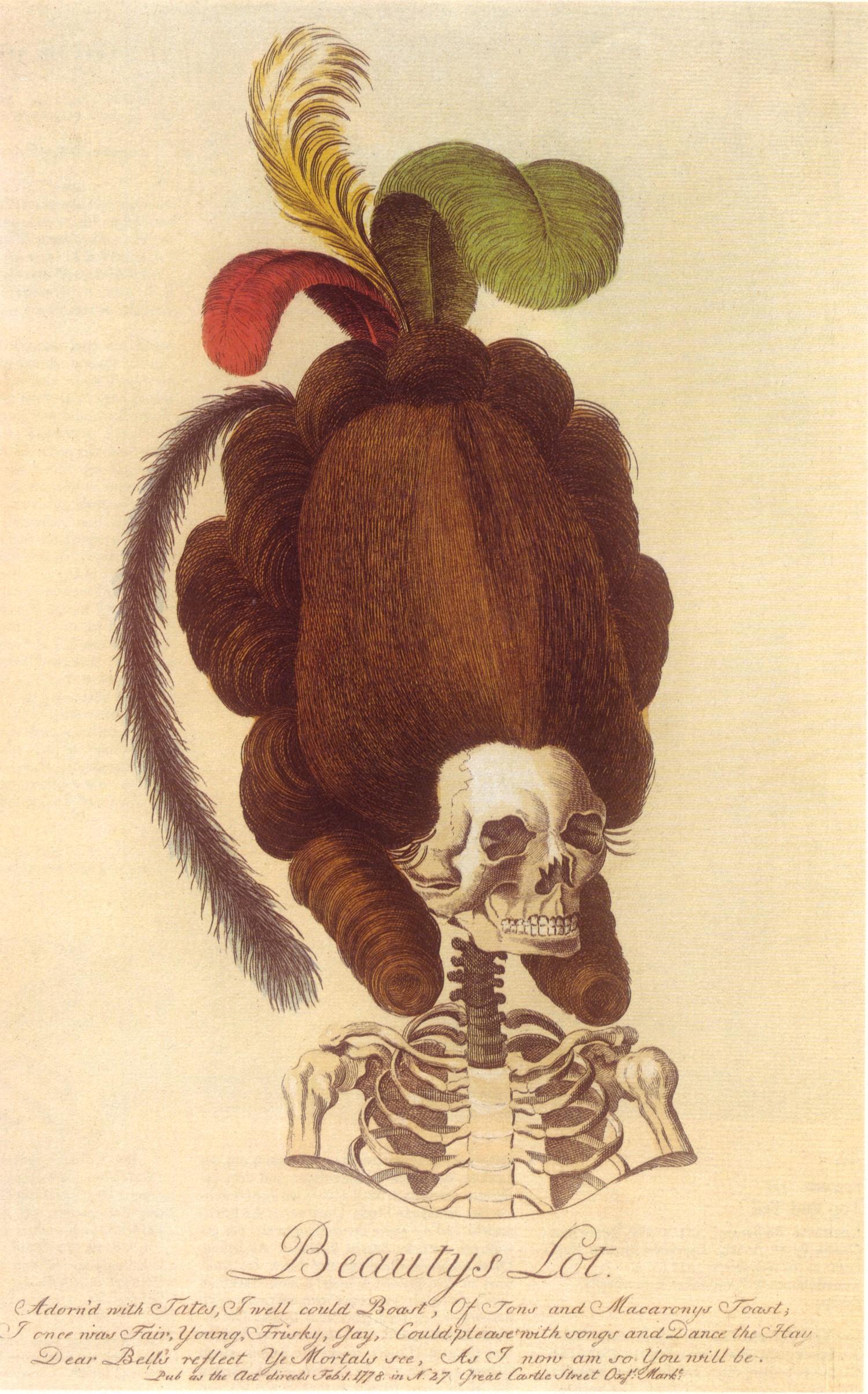
We collaborate with Sarah Kareem (UCLA) on The No-Body Problem inquiry, which gathers a group of scholars working broadly in eighteenth-century studies under the heading of what we are calling “The No-Body Problem,” the long history of thinking about the yields of—and yieldings to—disembodied media. The eighteenth century is a natural moment to launch these questions, since it witnessed the emergence of modern media (including print), new collectivities in so-called republics of letters, the epistolary novel, widespread literacy, theories of information and social complexity, and forms of being attending on communication at a distance. That age is rich in reflections upon, and responses to, innovations in communication media, since it was encountering modes of disembodied relationality which anticipate our own.